Return to Articles
10.01.2026
From Roadblocks to Resources: One Family’s Advocacy Journey
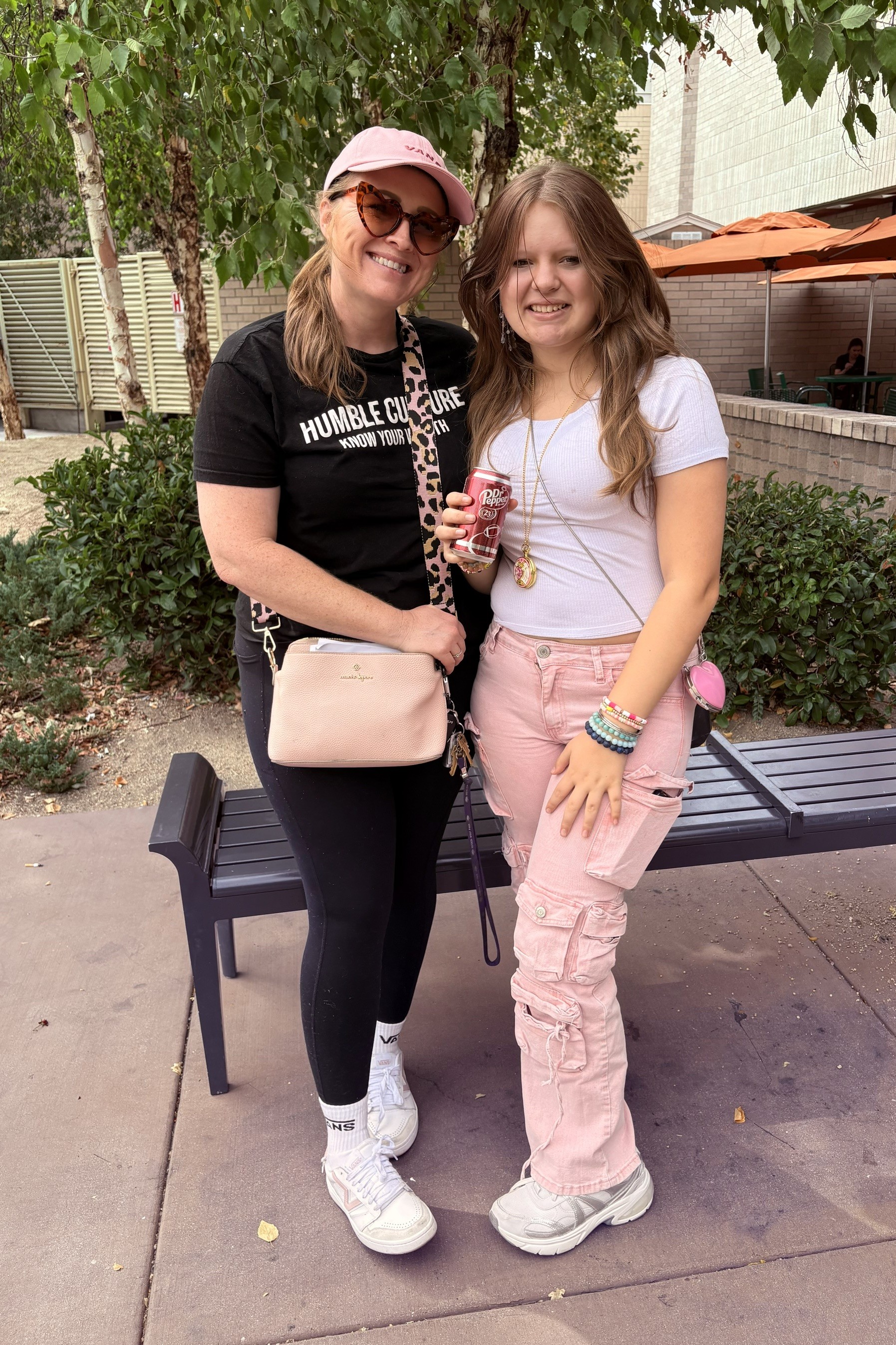
Author: Lela, Reno
When my nieces entered our lives at 18 months and 4 months old, my husband and I quickly knew they were going to be our permanent family. We became their legal guardians, and today they are 15 and 14 years old. Raising them has been the greatest joy of our lives, but it has also taught us how difficult it can be for families to navigate systems that were never designed to work together.
Working in a child care center during their early years gave us stable access to quality learning and helped us understand the importance of early childhood development. But as our youngest, Zoey, grew, we faced a different challenge: navigating Nevada's fragmented support systems for children with developmental needs. Zoey received Nevada Early Intervention Services (NEIS) for physical and speech delays until age three. At the time, she was making great progress, so we didn't fully realize how vital it was to have NEIS bridge the transition to school district Child Find services. However, as she transitioned into kindergarten, it became clear that she still needed support. She would become overwhelmed and disassociate. She wasn't misbehaving, but she struggled to follow directions and navigate social cues, often leading to being in "trouble."
When we sought help, we hit roadblock after roadblock. Reaching Child Find proved nearly impossible, and because her kindergarten grades were passing, the school district refused to evaluate her for other disorders. Her self-esteem suffered deeply. A funny, kindhearted child began to internalize the belief that she was simply "bad" or disliked.
Our turning point came through personal networks and community support. A special education agency visited my workplace, which pointed us in the right direction, and the For Kids Foundation generously stepped in to cover the cost of a comprehensive neuropsychological evaluation. That evaluation gave us the answers we so desperately needed. With a clear diagnosis, we secured a 504 plan with embedded accommodations. What others had perceived as behavioral problems, we now understood as skill deficits requiring scaffolded strategies. Today, Zoey is much happier, more confident, and better able to communicate her needs.
Our experience taught me that parents and caregivers should trust their instincts. Academic success and passing grades do not mean a child isn't struggling socially or emotionally. If your child receives early intervention services through NEIS, be sure to utilize their full support during the transition to Child Find before age three, rather than waiting. If you are raising a child through kinship care or guardianship, organizations like Foster Kinship can help you understand and access resources that may otherwise be difficult to find. When official school channels stall, look to local community foundations and specialized organizations like the For Kids Foundation, which can offer essential guidance and financial support. Most importantly, shifting our own perspective from seeing a child's actions as "misbehavior" to recognizing an unaddressed skill deficit allows us to advocate more effectively for appropriate accommodations while protecting our children's self-esteem.
A family's ability to help their child should never depend on luck, professional connections, or charitable grants. Our family was fortunate to have people and organizations along the way who helped us find the next door when the first one was closed. Nevada needs a coordinated, well-communicated system that guides parents and caregivers through critical transitions and helps them access evaluations and supports before a child's self-worth is damaged. This is especially important for kinship families, who may already be navigating guardianship, medical coverage, educational services, and other systems at the same time. Too many children suffer in silence simply because support pathways are disjointed and difficult to navigate.
It is time for Nevada to build a streamlined, transparent, and proactive early intervention and special education system, one that ensures every child, and every family caring for them, can find the support they deserve, right when they need it.