Return to Articles
12.01.2024
Celebrating Winter Holidays: Fostering Community Through Traditions
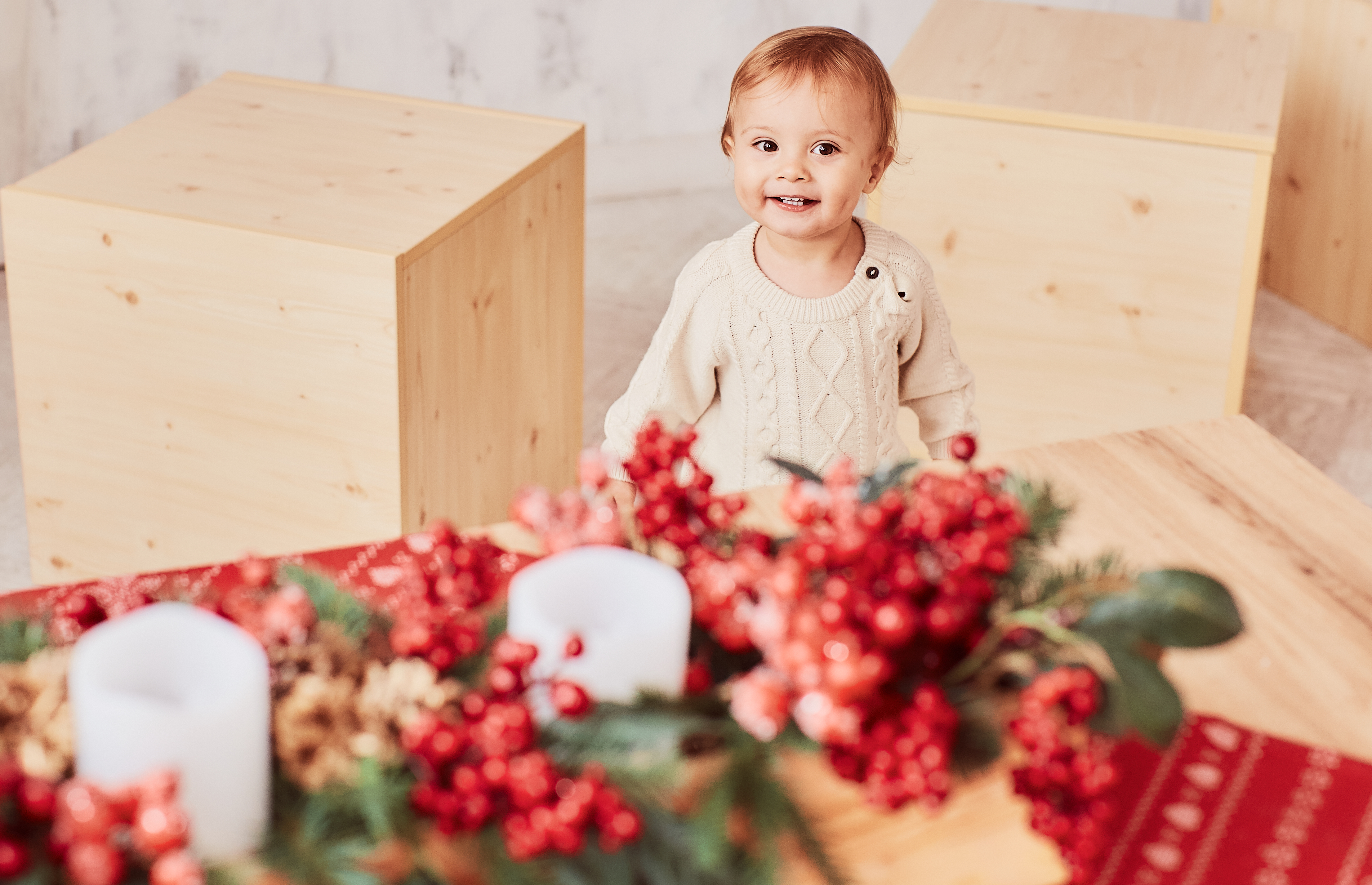
As winter approaches, families around the world begin to celebrate a variety of holidays that reflect different cultures, traditions, and beliefs. From Christmas to Hanukkah, Kwanzaa to Winter Solstice, each celebration brings unique customs and stories that enrich our understanding of the season.
For families with young children, this is a wonderful opportunity to explore these diverse traditions, instill values of respect and empathy, and foster a sense of community.
In this article, we’ll discuss some of the major winter holidays, their similarities, and how families can teach their children about the importance of respecting diverse traditions and beliefs.
5 Major Winter Holidays
- Christmas
Christmas is celebrated on December 25th by Christians around the world, commemorating the birth of Jesus Christ. Traditions include decorating Christmas trees, exchanging gifts, and singing carols. Families often gather for festive meals and attend religious services. Many Christmas customs, such as Santa Claus and the tradition of giving, have become part of popular culture.
- Hanukkah
Hanukkah, also known as the Festival of Lights, is an eight-day Jewish holiday that typically falls in December. It commemorates the rededication of the Second Temple in Jerusalem and the miracle of the oil that lasted eight days. Families celebrate by lighting the menorah, playing dreidel, and enjoying special foods like latkes (potato pancakes) and sufganiyot (jelly-filled doughnuts).
- Kwanzaa
Kwanzaa is celebrated from December 26th to January 1st and honors African American culture and heritage. Established in 1966 by Dr. Maulana Karenga, Kwanzaa emphasizes seven core principles known as the Nguzo Saba: unity, self-determination, collective work and responsibility, cooperative economics, purpose, creativity, and faith. Celebrations include lighting the Kinara (candle holder), sharing stories, and participating in community events.
- Winter Solstice
The Winter Solstice, occurring around December 21st, marks the shortest day and longest night of the year. Various cultures celebrate this time with festivals that honor the return of the sun. Celebrations often include bonfires, feasts, and rituals aimed at welcoming the light back into the world. Many modern celebrations, like Yule in pagan traditions, focus on themes of renewal and hope.
- Diwali
While not typically a winter holiday in the Western sense, Diwali, the Hindu Festival of Lights, often falls between October and November and carries similar themes of light and joy. Families celebrate by lighting oil lamps (diyas), decorating their homes, exchanging sweets, and engaging in prayers for prosperity and happiness.
Similarities Among Winter Holidays
Despite their diverse origins and customs, many winter holidays share common themes:
- Light and Hope: Whether through the lighting of candles or decorations, many traditions celebrate the triumph of light over darkness, symbolizing hope and renewal.
- Family and Community: Most holidays emphasize the importance of family gatherings, community involvement, and sharing with loved ones, reinforcing bonds and creating cherished memories.
- Gratitude and Reflection: Many celebrations include elements of gratitude, reflection on the past year, and aspirations for the future, helping families cultivate a sense of appreciation and purpose.
- Giving and Generosity: The act of giving gifts, sharing meals, and engaging in acts of kindness is a prevalent theme across many winter holidays, promoting a spirit of generosity and community support.
Teaching Young Children About Different Traditions and Beliefs
As families celebrate their own traditions, it’s essential to create an environment of respect and curiosity about other beliefs. Here are some strategies for teaching young children about various winter holidays:
- Storytelling
Introduce children to stories and legends associated with different winter holidays. Books that explain the significance of each holiday can spark interest and curiosity. Engage children with tales from different cultures, emphasizing shared themes of kindness, community, and hope.
- Arts and Crafts
Incorporate arts and crafts that reflect various holiday traditions. For example, children can create Christmas ornaments, Hanukkah menorahs, Kwanzaa kinara decorations, or winter solstice sun symbols. These hands-on activities not only foster creativity but also provide a tangible connection to the celebrations.
- Celebrate Together
If possible, arrange playdates or gatherings with families from different cultural backgrounds. Sharing holiday meals, stories, and customs fosters understanding and respect. It also allows children to experience the joy of diverse traditions firsthand.
- Discuss Respect and Understanding
Talk with children about the importance of respecting others' beliefs and traditions, even if they differ from their own. Encourage questions and discussions about why people celebrate differently and the value of learning from one another.
- Explore Local Events
Look for community events that celebrate winter holidays. Many cities host festivals, parades, or educational events that showcase diverse traditions. Participating in these activities provides children with exposure to different cultures and practices.
- Create a Holiday Calendar
As a family, create a winter holiday calendar highlighting various celebrations throughout the season. Mark the dates of each holiday, and include a brief description of their significance. This visual tool can help children understand the timeline of winter celebrations and the diversity of practices.
- Encourage Kindness
Incorporate acts of kindness into your holiday traditions, such as volunteering, donating to those in need, or sharing homemade treats with neighbors. These actions reflect the spirit of many winter holidays and teach children the importance of giving back to the community.
Winter is a magical time filled with celebrations that reflect the rich tapestry of human culture. By exploring various winter holidays, families can instill values of respect, empathy, and understanding in their children.
Emphasizing the similarities among these traditions while honoring their unique aspects fosters a sense of community and encourages open-mindedness.
As families celebrate their own traditions, they can also embrace the opportunity to learn about and appreciate the beliefs and practices of others, creating a more inclusive and harmonious world for the next generation.