Services

Special Needs and Early Intervention

Young light-skinned, dark-haired boy with a green shirt with light stripes, high fiving a light-skinned, brown-haired woman wearing a white shirt and jeans, with colorful toy building blocks around.

Children develop at their own pace. From crawling, to walking and speaking, sometimes delays are perfectly normal. Other times, a child may need extra help. When they do, early intervention can help a child catch up, while providing the best outcomes in future years.

From finding the best resources to determine if your child is on track, to getting them the help they need if there is a developmental delay, we can help.



See what you qualify for

Special Needs and Early InterventionPrograms & Services

Special Needs and Early InterventionAdditional Resources

Special Needs and Early InterventionTop Stories

Toddler smiles while standing on a cozy looking fuzzy brown colored chair in a house setting.

Developed by the national early childhood organization ZERO TO THREE, the Baby Brain Map is an easy-to-use, interactive guide that visually explains how a child’s brain is built over time. Rather than focusing only on milestones, the Brain Map explores what’s happening inside a baby’s brain.

Adult female holds little toddler boy wearing glasses in her lap while he leans forward, both smiling in an indoor home setting.

Everyday moments at home offer powerful opportunities to support development. To help Nevada families feel confident and supported, First 5 Nevada has added new, easy-to-use PDF resources designed especially for families of four- to five-year-old children. These resources help turn daily routines into meaningful learning experiences that build skills for school and life.

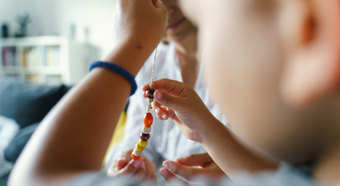
Close up visual of toddler playing with beads on a string, while parental figure watches and helps

While the official day is April 2nd, many organizations extend the celebration for Autism Awareness Month, dedicating time to educating communities, sharing stories, and increasing support for individuals with autism. The goal is to foster acceptance, encourage inclusion, and build a more supportive world for people on the autism spectrum.


Service Areas