Return to Articles
11.01.2025
November is Prematurity Awareness Month
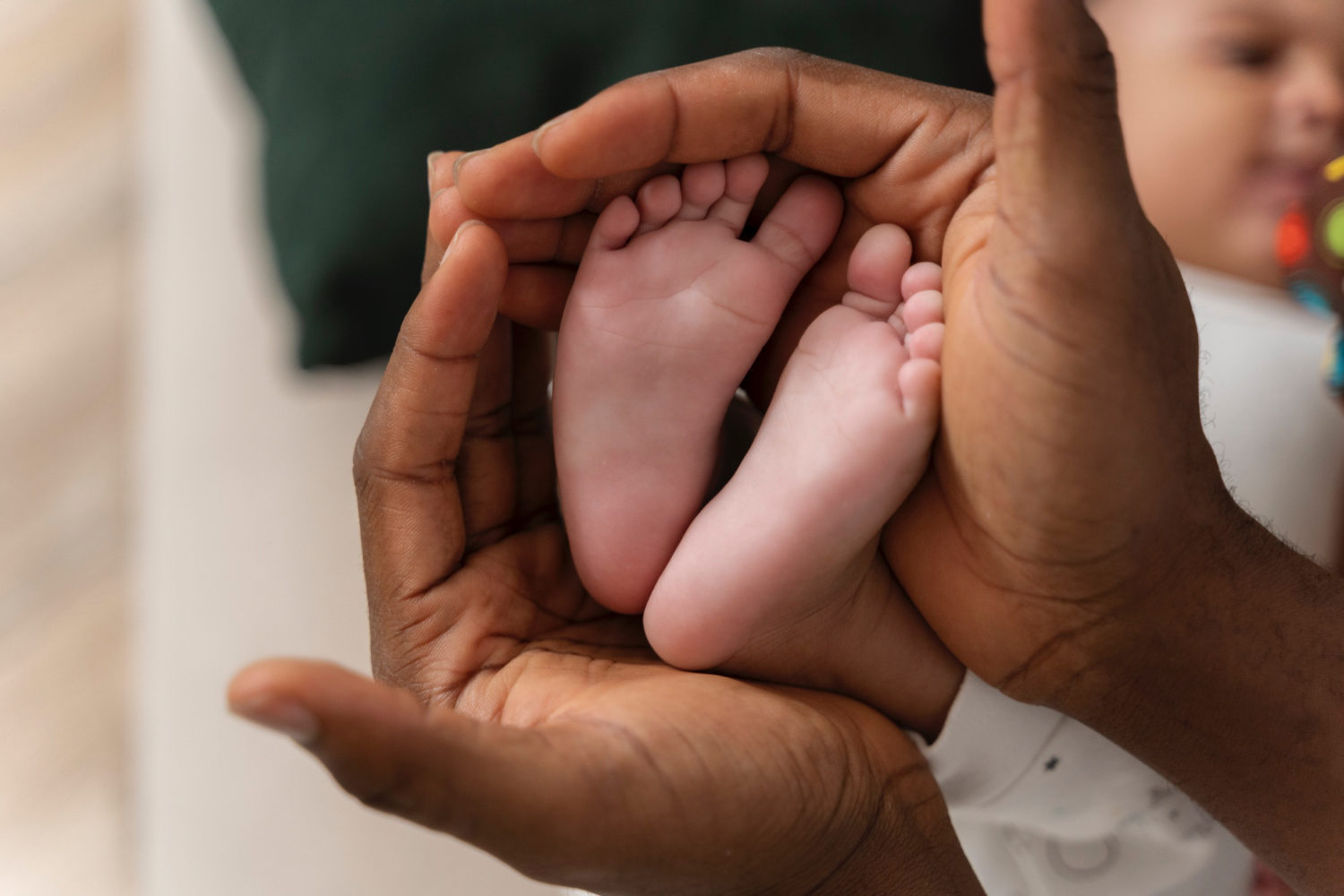
Every November, the nation observes Prematurity Awareness Month—a time to shine a light on preterm birth, support families affected by it, and raise awareness about how to promote healthy pregnancies. According to March of Dimes, about 1 in 10 babies in the U.S. is born too early (before 37 weeks gestation).
This month is an invitation to learn, to support, and to act. Below, you’ll find key facts from March of Dimes, practical steps pregnant people can take, and ways that families in Nevada can access support through First 5 Nevada and partner organizations.
Why Prematurity Matters
Preterm birth is the leading cause of death for children under age 5 worldwide. Babies born early may face health challenges such as respiratory difficulties, developmental delays, feeding issues, and longer hospital stays. The earlier a baby is born, the higher the risk.
But the story doesn’t have to end there: many preemies go on to lead healthy, thriving lives with the right care, follow-up, and support.
Steps You Can Take During Pregnancy
Here are evidence-based practices and suggestions (from March of Dimes) that may help reduce the risk of preterm birth or support a healthier pregnancy:
- Get early and regular prenatal care.
The earlier and more consistently you see a health provider, the better. These visits allow monitoring, screening, and intervention where needed.
Click here for information on finding a provider that meets your needs, including OB/GYNs, Doulas and Midwives.
- Talk with your provider about your health and risks.
Be open about your medical history, chronic conditions (high blood pressure, diabetes, etc.), prior preterm births, or lifestyle factors (stress, nutrition, smoking). That gives your provider the chance to tailor your care. - Practice healthy behaviors.
- Eat a balanced, nutrient-rich diet
- Take prenatal vitamins (especially folic acid)
- Stay active as guided by your provider
- Avoid tobacco, alcohol, and illicit substances
- Get adequate rest and manage stress
- Know warning signs.
Symptoms like regular contractions before 37 weeks, leaking fluid, vaginal bleeding, or lower abdominal cramping should prompt a phone call or visit to your provider immediately. - Support mental health and social needs.
Social or emotional stress, lack of support, food insecurity, or unstable housing can all contribute to worse pregnancy outcomes. Seek help early.
How First 5 Nevada Can Help
If you’re pregnant or planning pregnancy in Nevada, First 5 Nevada offers a suite of resources and referrals designed to support you:
- Medical Insurance – If you are currently uninsured, or underinsured, check to see if you may qualify for Medicaid or other health insurance assistance programs.
- Find Provider – We have a list of resources to help you find a provider that is right for you including OB/GYNs, Doulas, and Midwives.
- Sober Moms, Healthy Babies – If you are pregnant and using, this program can help you get the resources you need for a safe and healthy pregnancy.
- Maternal Mental Health Hotline – Get help with maternal depression and other mental health needs.
- SNAP & WIC – Healthy eating goes a long way to ensure the well-being of you and your baby. Learn more about these nutrition support programs and see if you qualify.
- Parent Training & Education – It’s never too early to access training supports and resources. Learn about parent training and education programs that meet your needs!
Check out First5Nevada.org for more information and click here to see what programs and services you may qualify for!
Stories That Inspire
During Prematurity Awareness Month, many families share their journeys—from NICU days to homecoming and beyond. These stories remind us: hope, resilience, and community support matter. They also highlight how access to quality care, follow-up developmental monitoring, and early intervention is critical.
If you or someone you know has experienced preterm birth, sharing your story can help others feel less alone—and can help raise awareness about the supports that are needed.
How You Can Get Involved
- Wear purple (the color of prematurity awareness) during November and explain why
- Participate in local awareness events or virtual campaigns (e.g. “#PrematurityAwarenessMonth”)
- Share credible information (like from March of Dimes) on social media or in your community
- Advocate for policies that expand access to quality prenatal care, mental health support, and maternal–infant health equity
A Message of Hope
- Prematurity Awareness Month reminds us that every pregnancy matters and every baby deserves a fighting chance. While preterm birth remains a challenge, our collective efforts—through education, support, research, and compassion—make a difference.
- If you’re pregnant or supporting someone who is, know that help is available. Reach out to First 5 Nevada, your healthcare provider, or organizations like March of Dimes for guidance, encouragement, and community. Together, we can help more babies be born healthier and families be stronger.