Return to Articles
3.01.2026
Medicaid and CHIP Application Assistance: Nevada’s Early Childhood Community Health Worker Program
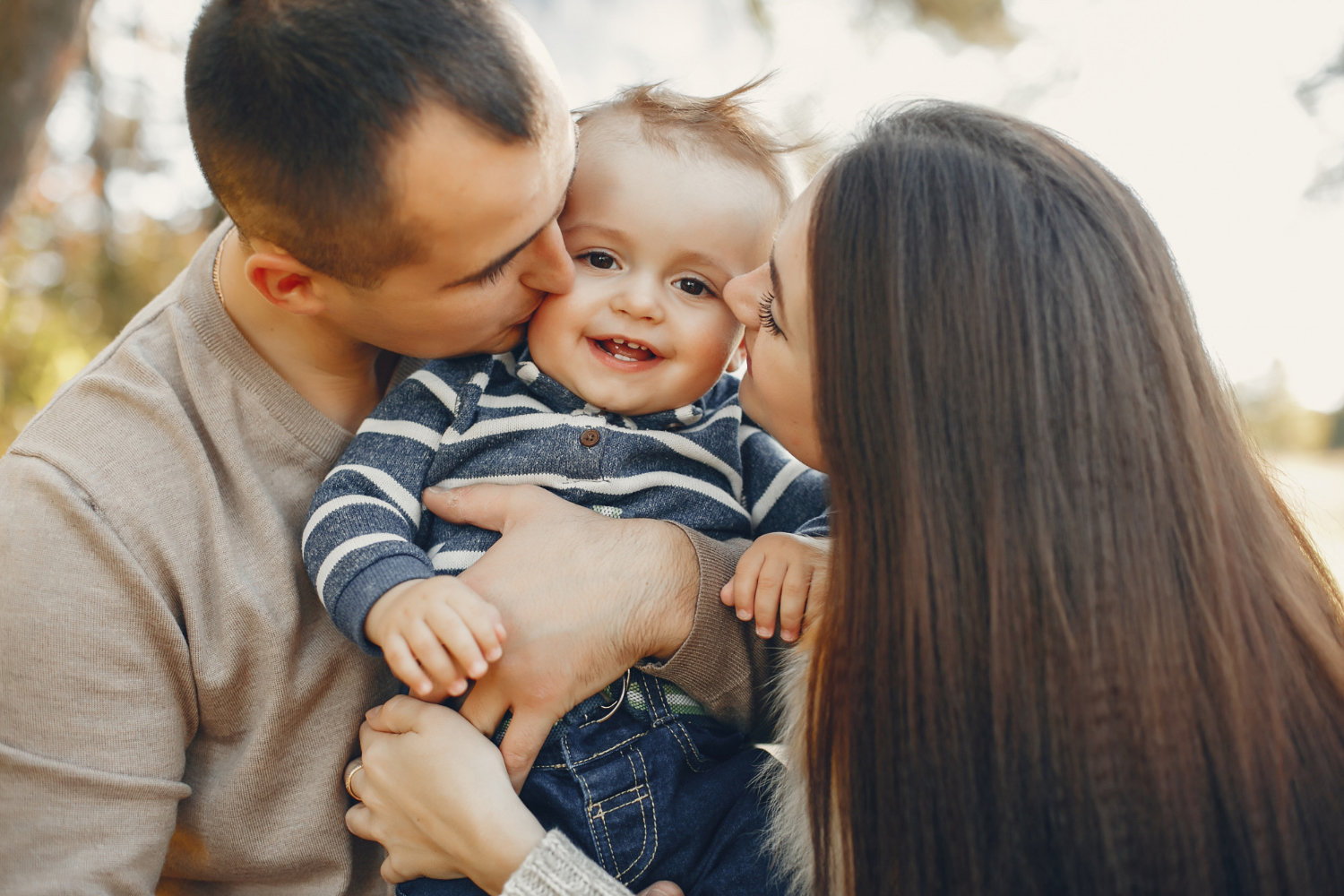
Raising young children is exciting, joyful, and sometimes challenging. Families often need support with things like health care, food, or finding community resources. Nevada’s Early Childhood Community Health Worker (EC-CHW) Program is here to help.
What Is the EC-CHW Program?
Our mission is simple:We connect young children, their families, and early childhood providers to the resources they need to stay healthy, safe, and supported.
The EC-CHW Program focuses on helping families meet basic needs—much like the foundation of Maslow’s Hierarchy of Needs, which is a way to understand what families need to stay healthy and strong. It starts with basic needs like food, housing, safety, and access to care. When these needs are met, families are better able to focus on the next steps – building relationships, feeling supported, growing confidence, and reaching their goals together.
EC-CHW’s work with families to assess their needs and provide information and referrals to resources such as:
- Food
- Safe housing and shelter
- Clothing
- Safe environments
- Employment resources
- Health care and wellness
These are the building blocks families and children need to grow, learn, and thrive.
How EC-CHWs Support Families and Child Care Providers
Early Childhood Community Health Workers are trained to understand the needs of young children and the early childhood workforce. They help by:
- Providing outreach and support in child care centers, licensed family child care homes, and with Family, Friend, and Neighbor caregivers.
- Connecting families to community resources such as pediatricians, nutrition programs, mental health services, and other medical care.
- Helping families and teachers access health and wellness tools, information, and trainings.
- Supporting teachers during developmental screenings, including the ASQ-3 and ASQ SE-2, which help track a child’s development and social-emotional skills.
- Working with child care providers to identify needs and set goals that improve the well-being of children and families.
Who Can Use the EC-CHW Program?
This program is open to:
- Child care centers
- Licensed family child care homes
- Family, Friend, and Neighbor (FFN) caregivers who serve children receiving child care subsidy
- Teachers in early childhood programs
- Families enrolled in these early childhood settings
There are no income limits and no requirements for legal status. If your child is in care with one of these providers, you qualify for free support. Ask your provider if they are participating in the EC-CHW Program or connect with us to learn more.
New! Help With Medicaid and CHIP Applications
Thanks to the new Connecting Kids to Coverage grant from the Centers for Medicare and Medicaid Services, EC-CHWs can now help families apply for or renew Medicaid and CHIP coverage.
This means families can get one-on-one support with:
- New Medicaid applications
- Renewal paperwork
- Understanding benefits
- Connecting children and parents to doctors, dentists, and other health services
Health coverage is an important part of keeping children healthy, and we’re here to make the process easier.
Enrollment is open year-round – you may be eligible now, even if you have applied before!
Connect With an Early Childhood Community Health Worker
If your family could use support—big or small—we’re here to help.
Call or email us to learn more and set up a time to meet with one of our EC-CHWs. We are able to meet with families in person, virtually or by phone and have Spanish-speaking staff available.
Email: [email protected]
Call:
- Northern Nevada – 775-391-5727
- Southern Nevada – 702-605-9507
Together, we can ensure every young child in Nevada has what they need to grow, stay healthy, and succeed.