Return to Articles
12.01.2025
Simple, Healthy, and Joyful Holiday Moments for Families with Young Children

The holidays can be an exciting time, but they can also feel overwhelming—especially for parents of infants, toddlers, and preschoolers.
The good news? Creating joyful moments, building family traditions, and fostering healthy habits doesn’t have to be complicated or expensive. Sometimes the simplest activities help young children learn the most and connect with you in meaningful ways.
Below are ideas to help your family enjoy a Healthy, Safe, and Fun holiday season—along with tips that support early development and even introduce a bit of STEM learning along the way.
Keeping the Holidays Healthy, Safe & Fun
Having fun and building special memories doesn’t require fancy plans or spending lots of money. Here are easy ways to stay healthy and safe while celebrating with young children.
Healthy
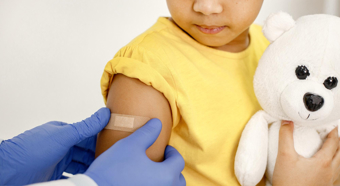
- Stay up to date on vaccines. Vaccinations help protect your child—and the whole family—from preventable illnesses that circulate during the winter months and holiday gatherings. If you’re unsure what your child needs, ask your health care provider or check the recommended immunization schedule.
- Eat healthy. There are a lot of sweet treats this time of the year. Allow the sweet treats in moderation. Teach your child what healthy treats can also be fun and incorporate those into your snack and meal times. Sign-up for healthy treats for class parties and gatherings.
- Stay active. Find time to incorporate physical activities into your day. Go for a walk after a big meal, stroll through the mall, dance to your favorite holiday music, take a bike ride (if the weather allows).
- Wash your hands. Handwashing can help prevent 1 in 5 respiratory illnesses like the cold or flu, so washing hands is critical for staying healthy.
Safe
- Choose safe decorations (unbreakable ornaments, paper crafts, and supervised sensory materials).
- Maintain routines as much as possible to help young children feel secure.
- Prevent choking. Prevent choking hazards by following manufacturers guidelines for age recommendations when buying toys. Check toys often for loose parts and pieces. Scan the floor or areas where your young children play for small objects or toys. Many foods can be a hazard depending on your child’s age. Foods such as nuts, fruits with pitts, hard fruits and vegetables, and hard candies are all hazards to a young child.
- Prevent injuries. Watch for icy patches on sidewalks, porch steps and entry ways. Dress for the weather by adding layers, warm mittens/gloves and hats when outdoors and wearing helmets when riding bikes or scooters.
- Clean and disinfect surfaces. It’s especially important to clean those that are touched often, like doorknobs.
- Cover your mouth when sneezing or coughing. Wash your hands after blowing your nose, coughing, or sneezing. Set an example for your children and teach them how to do this.
- Stay home when you feel sick. This helps you recover quicker and doesn’t spread germs to unwanted recipients.
Fun
- Kids love contributing to the family space. Making decorations such as homemade ornaments, handprint wreaths, salt-dough ornaments, glitter-free paper snowflakes builds fine motor skills.
- Read holiday-themed books. This builds vocabulary, imagination, and early literacy.
- Cook together. Cook together using simple, child-friendly recipes. Let your child take the lead based on their age and interests. Try fun foods like fruit salad, individual pizzas, or dipped pretzels.
- Turn cooking into a STEM moment! Measuring ingredients, observing textures, and counting steps all strengthen early math and science skills.
- Listen to holiday music and dance. Rhythm, movement, and repetition support both motor and language development.
- Gratitude jar. Create a gratitude jar where each family member adds something they’re thankful for.
- Have fun with sensory play. Make playdough, slime and clean mud, jelly cake and other fun. Recipes can be found online.
Gift Giving: Keep It Simple and Meaningful
The best gifts for young children don’t have to be expensive. Look for items that encourage creativity, movement, and early learning, such as:
- Board books
- Blocks, stacking cups, or shape sorters
- Art materials (washable crayons, stickers, play dough)
- Puzzles
- Outdoor toys (balls, chalk, bubbles)
- STEM-friendly toys like magnifying glasses, measuring cups, ramps, or simple building sets
Remember, you are your child’s favorite gift. Your time, attention, and presence matter more than anything under the tree.