Return to Articles
12.01.2025
Positive Parenting Tips: Preschoolers 3-5 Year Olds
Developmental Milestones
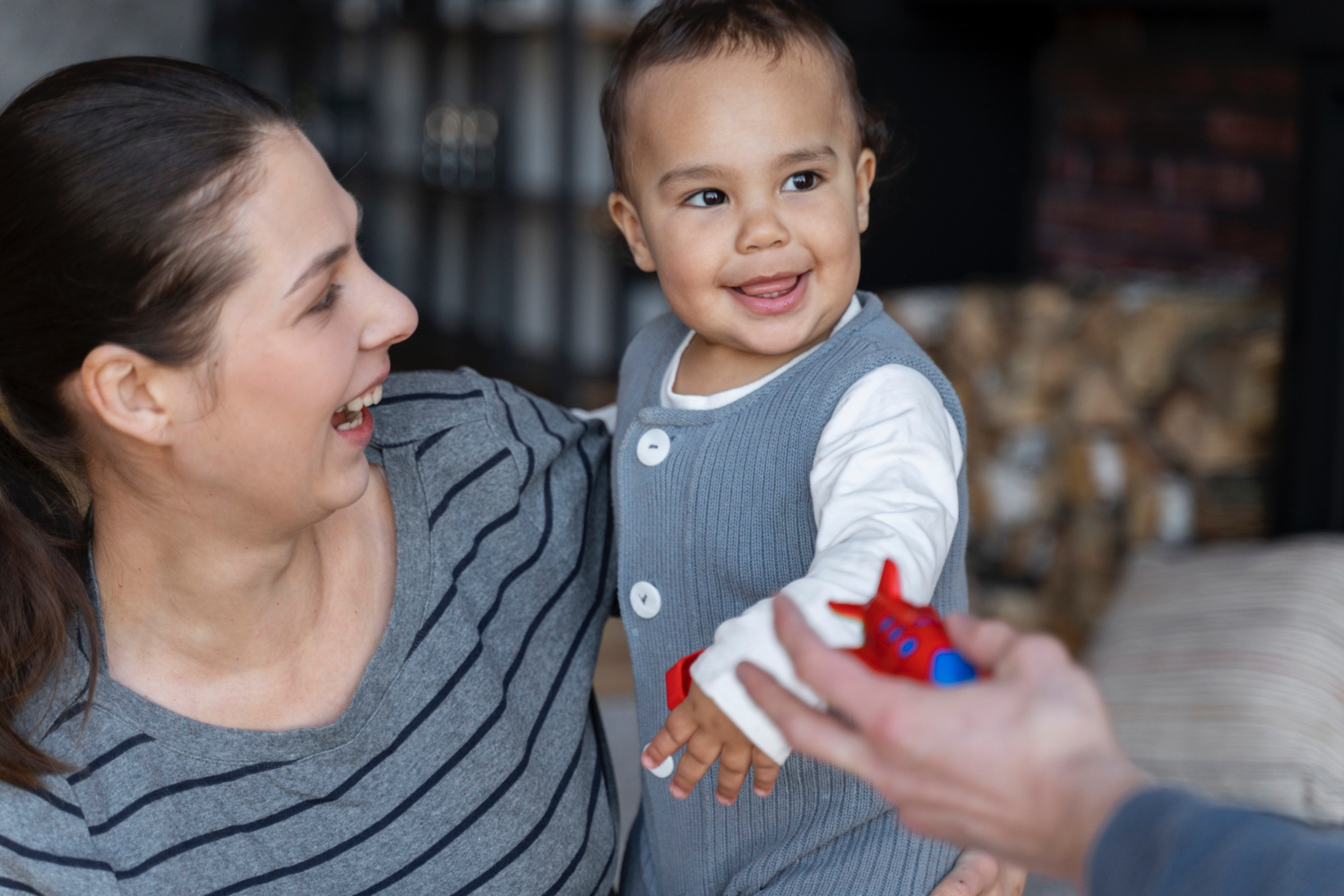
Skills such as naming colors, showing affection, and hopping on one foot are called developmental milestones. Most children achieve these milestones by a certain age. Children reach milestones in how they play, learn, speak, behave, and move.
As children grow into early childhood, their world will open up as they explore and ask about the things around them. They will become more independent and begin to focus more on adults and children outside of the family. Their interactions with those around them will help to shape their personality and their own ways of thinking and moving.
During this stage, children should be able to help dress and undress themselves, recall part of a story, and sing songs. Other examples of activities at this stage include playing with other children, riding a tricycle, and using safety scissors.
Visit the Developmental Milestones page on First 5 Nevada to learn more!
Positive parenting tips
Following are some of the things you, as a parent, can do to help your preschooler during this time:
- Continue to read to your child. Nurture their love for books by taking them to the library or bookstore.
- Let your child help with simple chores.
- Be clear and consistent when disciplining your child. Explain and show the behavior that you expect from them. Whenever you tell them no, follow up with what they should be doing instead.
- Help your child develop good language skills by speaking to them in complete sentences and using "grown up" words. Help them to use the correct words and phrases.
- Help your child through the steps to solve problems when they are upset.
- Give your child a limited number of simple choices (for example, deciding what to wear, when to play, and what to eat for snack).
Get more tips to help your preschooler with Vroom!
Child safety first
As your child becomes more independent, it is important that you and your child are aware of ways to stay safe. Here are a few tips to protect your child:
- Tell your child why it is important to stay out of traffic. Tell them not to play in the street or run after stray balls.
- Be cautious when letting your child ride their tricycle. Keep them on the sidewalk and away from the street and always have them wear a helmet.
- Check outdoor playground equipment. Make sure there are no loose parts or sharp edges.
- Watch your child at all times, especially when they are playing outside.
- Be safe in the water. Teach your child to swim, but watch them at all times when they are in or around any body of water (this includes kiddie pools).
- Teach your child how to be safe around strangers.
- Make sure that your child sits in the back seat and is buckled up properly in a car seat with a harness.
Car seat recommendations for children
Use a forward-facing car seat with a harness until your child reaches the top height or weight limit allowed by the car seat's manufacturer. Then it will be time to switch to a booster seat, but still in the back seat of the vehicle. Learn more: Car Seat Recommendations for Children
Healthy bodies
Here are a few tips to help keep your growing child healthy:
- Eat meals with your child whenever possible. Let your child see you enjoying fruits, vegetables, and whole grains at meals and snacks.
- Your child should eat and drink only a limited amount of food and beverages that contain added sugars, solid fats, or salt.
- Provide your child with age-appropriate play equipment, like balls and plastic bats, but let your preschooler choose what to play. This makes moving and being active fun for your preschooler.
- Make sure your child gets the recommended amount of sleepeach night: 10–13 hours per 24 hours (including naps) for preschoolers 3–5 years old.
Screen time and preschoolers
Keep television sets out of your child's bedroom. Set limits for screen time for your child to no more than 1 hour per day of quality programming, at home, school, or afterschool care and develop a media use plan for your family. Learn more: AAP Media Plan
Source: Positive Parenting Tips: Preschoolers (3–5 years old) | Child Development | CDC
Resources for Parents and Families
First 5 Nevada includes a wealth of resources for parents and families to help their toddlers grow and thrive! You can also use the First 5 Nevada Eligibility Portal to find out what programs and services you may qualify for.
The Centers for Disease Control and Prevention (CDC) also has additional resources available:
CDC's "Learn the Signs. Act Early." Program has more details on how to track your child's developmental milestones, and what to do if you're concerned about your child's development.
CDC's Parent Information (Children 4–11 years) has information to help you guide your child in leading a healthier life.
CDC's Essentials for Parenting Toddlers and Preschoolers has ways you can help build a safe, stable, and nurturing relationship with your child.
CDC's Healthy Weight Information has tips for parents – Ideas to help children maintain a healthy weight.
CDC's Youth Physical Activity Guidelines has information on how to help children be active and play.
CDC's Information on Vaccinations View the immunization schedule for infants and children and find out if your child's vaccinations are up to date.
The U.S. Department of Agriculture provides information on health and nutrition: My Plate for Preschoolers
AAP's Healthy Children website provides information on feeding, nutrition, and fitness for all developmental stages from infancy to young adulthood.
Just in Time Parenting (JITP) has quality, research-based information to families at the time it can be most useful.
Healthy Kids Healthy Future has information on physical activity for young children and ways to keep them moving.
National Highway Traffic Safety Administration (NHTSA) has information on safety recalls and safety tips for children riding in motor vehicles, walking, biking, playing outside, waiting at school bus stops, and more.