Return to Articles
6.01.2024
Get Free Meals During the Summer
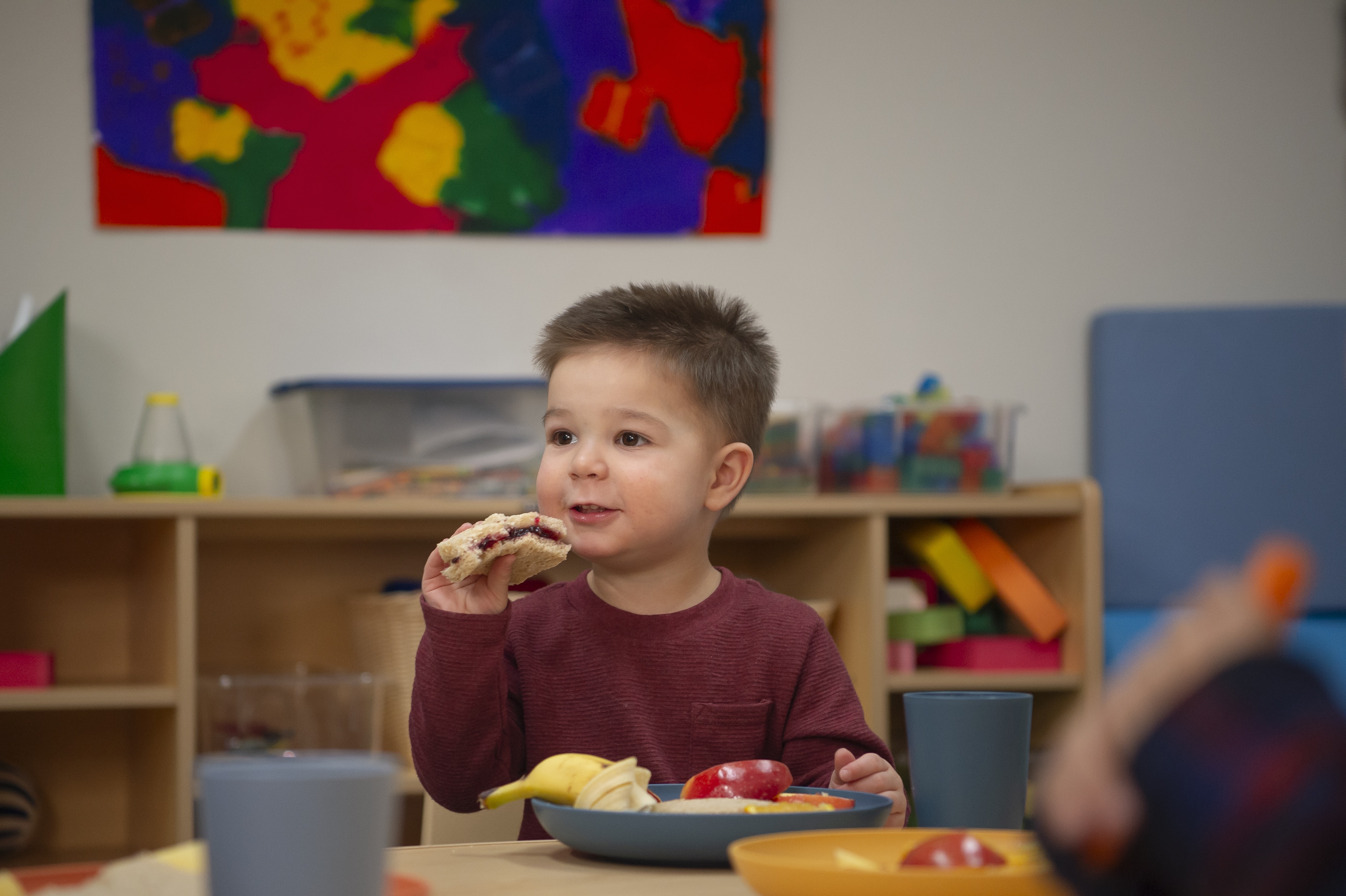
School’s out! But the need for healthy food remains throughout the summer!
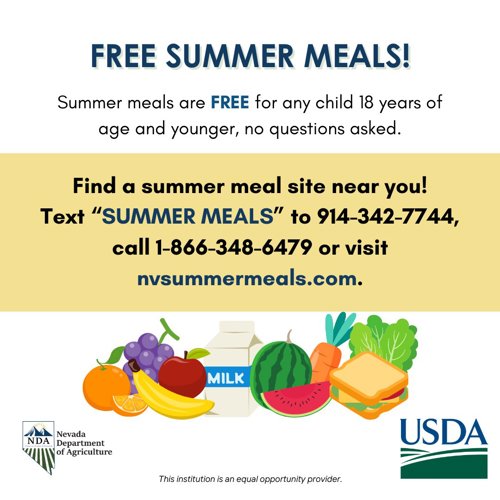
The Nevada Summer Food Service Programs (SFSP) provides up to 2 FREE nutritious meals per day to all children 18 years and under in low-income areas. Through the SFSP children may receive up to 2 meals, one meal and a snack, or 2 snacks every day.
Meal Site Locations
SFSP sites include schools, camps, parks, playgrounds, housing projects, community centers, churches, and other public sites where children gather in the summer.
Locate a Meal Site Near You
Find sites serving summer meals here.
You can also call 1-866-3-HUNGRY | 1-877-8-HAMBRE or text “Summer Meals” to 914-342-7744.
Program Overview
SFSP is the single largest federally funded program available for sponsors who can combine a feeding program with a summer activity program. The program is funded through the USDA and administered by the State of Nevada Department of Agriculture, Food and Nutrition Division.
Sponsors can be public or private schools, government entities, private nonprofit organizations, public or private nonprofit camps, public or private nonprofit universities or colleges, or community and faith-based organizations. Feeding sites may be at a school, recreation center, playground, faith-based organization, community center, day camp, residential summer camp, housing projects, migrant camps, or on Indian reservations.