Return to Articles
3.01.2025
Educator of the Year Nominations- Now Open!

The Nevada Department of Education (NDE) Office of Early Learning and Development (OELD) is pleased to launch the fifth year (school year 2024-2025) of our Early Childhood Educator of the Year Award.
Early childhood teachers have one of the most important jobs in the world- providing quality education
to our state’s youngest learners and partnering with their families. Please use this form (or scan the QR
code below) to nominate an early childhood teacher you know whose amazing work you'd like to
recognize. Once your nomination is received and the nomination window closes, we will contact the
teacher and invite them to apply to be considered for the Early Childhood Educator of the Year Award.
Teachers, you are strongly encouraged to nominate yourself and celebrate all the hard work you are
doing!
Scan this QR code to nominate an early educator through your phone at anytime: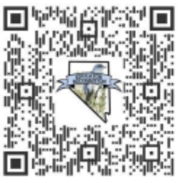
Timeline:
●April 27, 2025 Nominations Due- weekend after NevAEYC
●May 2, 2025 Nominees will be notified of their nomination and invited to apply
●June 2, 2025 Applications Due
●June 16-27, 2025 Applications review period
●July 7-18, 2025 Interviews
●September Winners & Finalists announced
WHO IS ELIGIBLE?
Lead teachers of infant, toddler, and pre-K students in both general education and special education
programs. These early learning programs include (but are not limited to): child care, in-licensed family
child care providers, Head Start, Early Head Start, home visitors and early intervention, private school,
charter school, district pre-K (i.e. Nevada Ready! State Pre K, ECSE, Title I, etc.), and
itinerant/inclusion model.
***Teachers who were previously nominated/applied, but not selected as award recipients, are eligible to participate again each year.
Please contact Anna Severens at [email protected] with any questions.