Return to Articles
9.01.2026
Celebrating the Caregivers Who Are Like Family: FFN Appreciation Week

When parents need someone they trust to care for their young children, they often turn to the people who know and love them best. A grandparent who reads stories before nap time. An aunt who helps with school pickup. A family friend who provides care during an evening work shift. A neighbor who is always there when needed.
These caregivers are known as Family, Friend and Neighbor (FFN) caregivers, and each September, FFN Appreciation Week recognizes the important role they play in helping children and families thrive. In 2026, FFN Appreciation Week takes place September 13-18, beginning on National Grandparents' Day.
For many Nevada families, FFN caregivers are much more than child care providers. They are trusted adults who offer nurturing relationships, cultural connections, flexible support, and a strong sense of belonging during a child's most important early years.
What Is Family, Friend and Neighbor Care?
Family, Friend and Neighbor care is exactly what it sounds like: child care provided by someone who already has a relationship with the child and family. FFN caregivers may be grandparents, relatives, close friends, neighbors, or other trusted adults in a child's life. Some are paid for the care they provide, while many provide care simply because they want to help their family or community.
FFN care is more common than many people realize. Across the United States, more than 5 million FFN caregivers care for approximately 11.5 million children each year, making FFN care one of the most widely used forms of child care. One in four children under age five spends at least some time being cared for by a grandparent while their parent is working.
While FFN caregivers may not always think of themselves as child care providers, their impact on young children's lives is significant.
Why Families Choose FFN Care
Every family's situation is unique, and there are many reasons parents choose FFN care.
For some families, trust is the most important factor. Leaving a young child with someone who already knows their personality, routines, and needs can provide peace of mind.
For others, FFN care offers flexibility that traditional programs cannot always provide. Many FFN caregivers help families who work evenings, overnight shifts, weekends, or nontraditional schedules. They may also support families living in rural communities where child care options are limited.
Many families also value the cultural and language connections FFN caregivers provide. Children may learn family traditions, hear their home language spoken regularly, celebrate cultural holidays, and strengthen connections to their heritage through everyday interactions. FFN care is especially valued among immigrant families and dual-language learner families for these reasons.
The Power of Caring Relationships
The first five years of life are an extraordinary time of growth and development. During these years, children's brains build millions of connections through daily experiences and interactions with the adults who care for them.
One of the greatest gifts FFN caregivers provide is a nurturing relationship.
Whether they are preparing breakfast, playing outside, singing songs, or comforting a child after a tough day, FFN caregivers help children feel safe, loved, and supported. Research highlighted during FFN Appreciation Week notes that nurturing relationships are essential for healthy brain development and create the foundation for future learning, behavior, and health. Home-based settings, including FFN care, are especially well suited to fostering these strong relationships.
Children do not always remember every activity they did as young children, but they often carry the security, confidence, and sense of belonging they gained from trusted caregivers with them throughout their lives.
Five Ways to Celebrate FFN Appreciation Week
Whether your family currently relies on FFN care or has benefited from it in the past, FFN Appreciation Week is a wonderful opportunity to express gratitude.
Here are five simple ways families can participate:
- Say "Thank You"
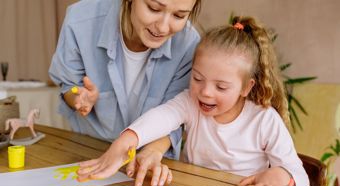
A heartfelt thank-you can mean a lot. Consider writing a note, drawing a picture with your child, or sharing a favorite memory with the caregiver who has supported your family.
- Celebrate Grandparents
FFN Appreciation Week begins on National Grandparents' Day to honor the millions of grandparents who help care for young children. Take time to recognize the grandparents in your child's life and the love, wisdom, and support they provide.
- Share a Favorite Recipe
Food often connects families to cherished memories and cultural traditions. Cook a meal together, share a family recipe, or talk with your child about special foods prepared by grandparents, relatives, or caregivers. FFN Appreciation Week highlights the important role food plays in nurturing children and building connections across generations.
- Tell Your Story
Many adults can point to a grandparent, aunt, neighbor, or family friend who helped care for them growing up. Share those memories with your children and help them understand how important those relationships can be.
- Recognize Everyday Heroes
Many FFN caregivers provide support quietly and without recognition. This week is a chance to acknowledge their dedication and the countless ways they help children and families every day.
Supporting Caregivers Supports Children
Child care is one of the most important supports families need, but finding care that fits a family's schedule, budget, language, culture, and individual needs can be challenging.
FFN caregivers help fill those gaps. They often provide care for infants and toddlers, children with disabilities, families with nontraditional work schedules, and families living in communities where other options may be limited. Their flexibility and commitment help parents work, attend school, and care for their families.
By recognizing and supporting FFN caregivers, communities can help ensure young children continue to have access to safe, loving, and responsive care.
Resources for Nevada Families
At First 5 Nevada, we know that families need a variety of supports to help young children grow and thrive. In addition to connecting families with child care and early education resources, First 5 Nevada offers information about health and safety, food and nutrition, parenting support, developmental milestones, and programs available throughout the state.
A Week to Celebrate, A Year to Appreciate
FFN Appreciation Week reminds us that child care happens in many forms and that some of the most meaningful care comes from the people who already feel like family.
From grandparents and aunties to trusted neighbors and lifelong friends, FFN caregivers help children feel loved, secure, and connected. They make it possible for parents to work, learn, and care for their families while providing the nurturing relationships young children need most.
This September, take a moment to thank the family, friend, or neighbor who has helped care for your child. Their impact reaches far beyond a single day or week. It helps build the strong foundation children need to grow, learn, and thrive for years to come.
Visit Home Grown to learn more about FFN Appreciation Week and how you can get involved.