Return to Articles
4.01.2025
Activity Corner – Dig In and Grow! A Fun Family Gardening Adventure
By: Jamie Mendez, Early Childhood Workforce Specialist, Preschool Development Grant Birth-5, Office of Early Learning and Development, Nevada Department of Education
Gardening is a great way for families to spend time together while learning and having fun. Whether you have a big yard or just a few pots on a balcony, growing plants teaches kids about nature, responsibility, and patience. Plus, if you grow fruits or vegetables, you get fresh and healthy food right from your own garden!
5 Benefits of Gardening for Families
- Family Bonding Time
Gardening is a fun way to work together as a team. It helps families talk, share, and take a break from screens while creating something special together.
- Learning Made Fun
Kids can learn about plants, soil, and how things grow. They’ll also practice problem-solving by figuring out how to care for their plants.
- Healthy for the Body and Mind
Spending time outside is great for everyone. Gardening gets kids moving, helps them focus, reduces stress, and can boost the immune system.
- Encourages Healthy Eating
When kids grow their own vegetables, they’re more excited to eat them! Watching food grow from a tiny seed to something delicious is a great way to make healthy eating fun.
- Builds Language Skills
Gardening helps kids learn new words about nature, plants, and food. Talking about what they see, feel, and do helps them become better at speaking and understanding.
Family Gardening Activity: Grow Your Own Mini Vegetable or Fruit Garden!
A mini vegetable or fruit garden is an easy and fun project for all ages. You can do it in a garden bed, in containers on a patio, or even inside near a sunny window.
What You’ll Need:
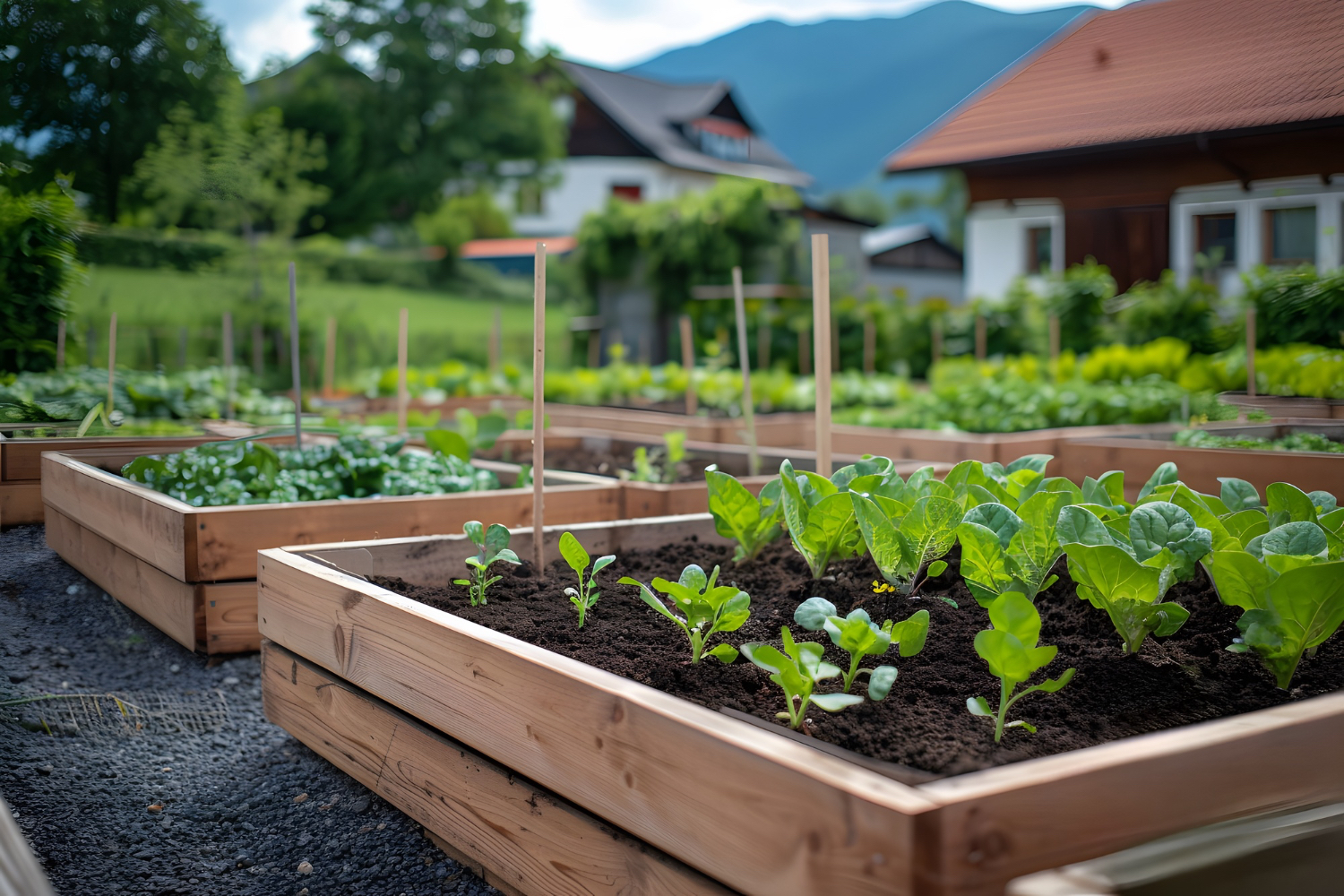
- Small pots, containers, or a garden bed
- Good-quality soil
- Vegetable or fruit seeds or small plants (lettuce, carrots, cherry tomatoes, or herbs are great choices)
- A watering can
- Small gardening tools (a trowel, gloves, etc.)
- Popsicle sticks or labels to mark each plant
Step-by-Step Instructions:
Step 1: Pick Your Plants
Let each family member choose a vegetable, fruit, or herb they’d like to grow. Easy options include cherry tomatoes, radishes, basil, or lettuce.
Step 2: Prepare the Soil
Fill your garden bed or pots with soil. If using pots, make sure they have small holes at the bottom so extra water can drain out.
Step 3: Plant Your Seeds or Seedlings
Check the seed packet for instructions on how deep to plant the seeds. If you’re using small plants, gently loosen the roots before placing them in the soil.
Step 4: Water and Label Your Plants
Water your plants well but don’t flood them. Use popsicle sticks or small labels to write the plant names so everyone knows which plant is theirs.
Step 5: Take Care of Your Garden
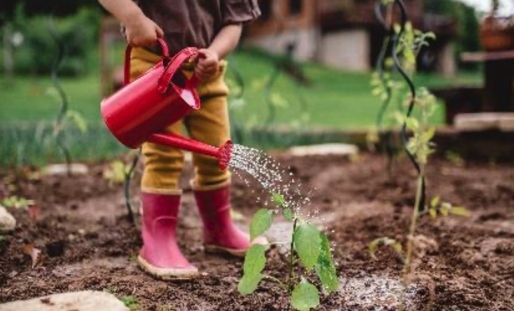
Make a simple schedule so everyone has a job. Younger kids can water the plants, while older kids can help with weeding and checking for bugs.
Step 6: Watch Them Grow!
Check your plants every day. Kids can keep garden journals to draw pictures and write about how their plants are growing.
Step 7: Harvest and Eat!
Once the vegetables are ready, pick them and enjoy! Let kids help wash and prepare them for a meal. Eating something they grew themselves will make them proud.
Extra Fun Gardening Tips
Make it a game! See who's plant grows the tallest or who can spot the first sprout.
Be patient! Some plants grow fast, while others take time. Remind kids that good things are worth the wait.
Use recycled items! Try using egg cartons, yogurt cups, or old jars as plant pots.
Grab some seeds, dig in, and enjoy your family gardening adventure!
For more activity ideas visit: Fun Activities for Kids in the Backyard Garden | Live to Plant