Return to Articles
5.01.2025
Activity Corner - Busy Bug Hotel: Little Minds, Big Fun
By: Dana Preece, Birth-3rd Grade Specialist, Preschool Development Grant B-5, Office of Early Learning and Development, Nevada Department of Education
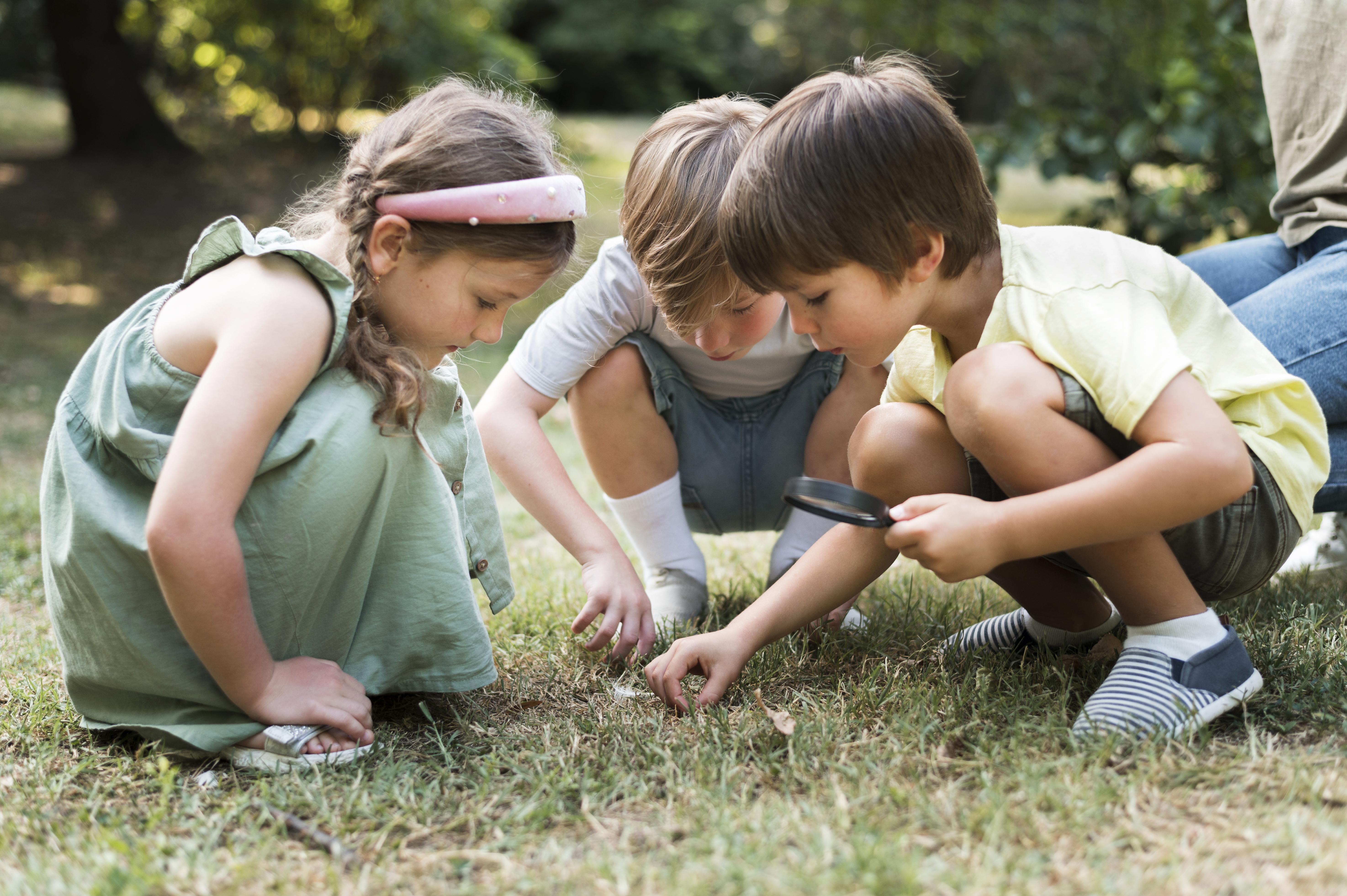
As the weather warms up, nature comes to life—gardens turn green, flowers bloom, and bugs start to appear. Children are often fascinated by bugs, possibly because they are small and move in interesting ways. Bugs can be a great way to teach young kids about ecosystems and how insects help plants grow and thrive.
One fun activity is building a “bug hotel” to provide shelter for helpful insects like bees, ladybugs, and worms. This project introduces children to ecosystems and biodiversity while engaging them in science, technology, engineering, art, and math (STEAM). By helping to create a space for these insects, kids can learn about the important role bugs play in keeping a garden healthy.
Focus: STEAM (Science, Technology, Engineering, Art, Math)
- Science:
- Discuss how bugs help plants grow, and that some bugs, like ladybugs and bees are good for gardens and plants.
- Technology:
- Pictures of bugs
- Use the internet to find a kid-friendly video discussing how bugs help plants
- Engineering:
- Draw/design a plan for a bug hotel.
- Build simple structures for bugs to live in. Introduce simple concepts of how to fit materials together to build up.
- Art:
- Explore textures in nature, leaves, sticks, pinecones, rocks and dirt.
- Draw pictures of their complete bug hotels.
- Math:
- Compare sizes
- Sort the materials collected
- Count out the materials
Materials Needed:
- Sticks, leaves, rocks, flowers, twigs etc.
- A small container or box (recycled milk carton, cereal box, etc.)
- Paper
- Markers/colored pencils
- Phone/Smart TV (optional)
6 month - 24 Month Olds
1. Introduce the Concept:
Explain how bugs like bees and ladybugs help plants grow, using pictures of insects. Go for a walk and look at different bugs while collecting nature materials (sticks, leaves, rocks, flowers).
2. Sort and Count Materials:
Sort and count the materials collected on your walk. Talk about their sizes, shapes, and textures (soft, rough, fuzzy, etc.).
3. Build the Bug Hotel:
Arrange the materials together to create the bug hotel. Let the child help stack and place items, explaining how each material helps make a home for the bugs.
4. Decorate and Document:
Let the child decorate with leaves, flowers, or twigs. Take pictures of the building process and explain how the camera captures what you see.
5. Final Assembly and Observation:
Place the bug hotel in the garden and talk about how bugs will use it. Encourage the child to observe it over time, noticing any insects that visit.
2 – 5-year-olds
1. Introduce the Concept:
Explain how bugs like bees and ladybugs help plants grow, using pictures of insects. Go for a walk and look at different bugs while collecting nature materials (sticks, leaves, rocks, flowers). Count how many bugs you see while on your walk.
2.Sort and Count Materials:
Sort and count the materials collected on your walk. Talk about their sizes, shapes, and textures (soft, rough, fuzzy etc.). Practice sorting materials in different ways. Practice stacking the materials in different ways
3. Plan your build:
Using a pencil and paper, have your child draw a plan for what they want their bug hotel to look like. Ask your child to describe their plan.
4.Build the Bug Hotel:
Let the child help arrange and stack the materials. Talk about balance, structure, and how the materials fit together to create a safe space for insects. Ask your child if their plan is working? Why or why not? Work through the process of stopping and accessing how to change plans to make it work.
5. Decorate and Document:
Allow the child to decorate the bug hotel with flowers or leaves. Take pictures of the process to document the changes.
6. Final Placement and Observation:
Place the completed bug hotel in the garden. Encourage the child to check on it regularly and observe and document if any bugs use it.
More Ideas:
- Colorful Flower Art:
- Collect flowers and leaves and press them between paper. Once dry, create a colorful collage or other artwork.
- Leaf Art:
- Collect leaves and place them under a piece of paper. Use crayons or colored pencils to run over the paper, revealing the leaf pattern.
- Create different animals, plants using leaves. Go to your local library or YouTube and read the book Leaf Man by Lois Ehlert for inspiration.
- Bug Hunt
- Explore which bugs live in wet versus dry environments. Look in different areas within a garden or park to observe bugs in action.
- Decide if the bug lives in a wet or dry place. Discuss why different bugs like different areas.
First 5 Nevada Resources to Support Brain Development
- Vroom! offers resources for families and providers to help turn everyday activities into opportunities to improve brain development.
- Developmental Milestones are skills and behaviors that babies and young children experience at certain stages as they grow. Review the milestones by age, download the Developmental Milestones checklist, or the CDC’s Milestone Tracker App.
- Learn More: Read the First 5 Nevada article “Early Childhood Brain Development” to learn about the 5 Keys to Understanding and Supporting Brain Development or “The Science of Early Childhood Development” from the Harvard Center on the Developing Child.