Return to Articles
7.01.2024
1,000 Books Before Kindergarten: Strong Readers Succeed in School
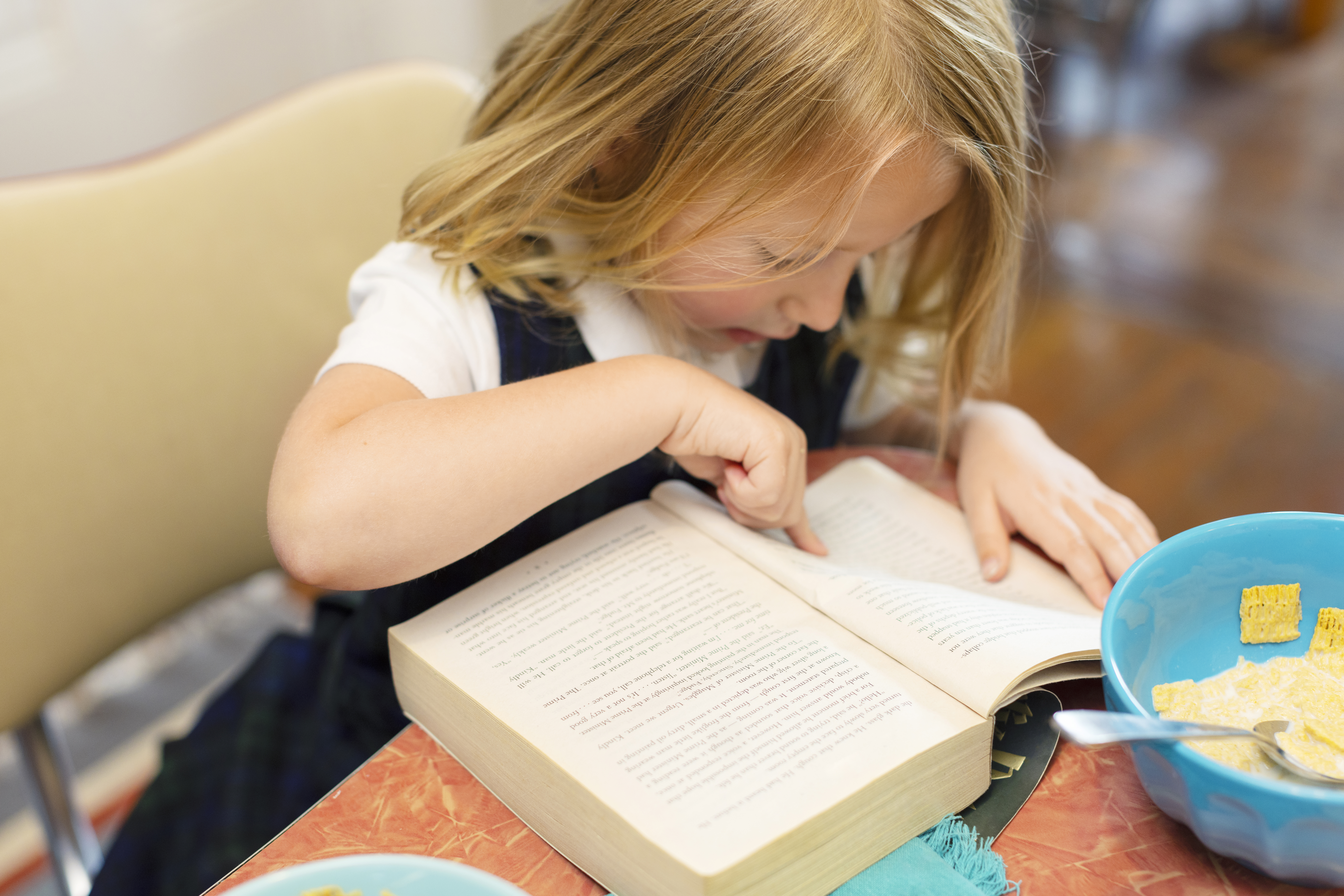
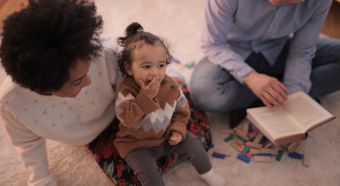
Moms and dads are every baby’s first teachers. Reading to your child every day not only sets them up for long-term success, but also creates a strong, lasting bond.
1,000 Books Before Kindergarten is a non-profit organization that promotes reading to newborns, infants and toddlers and encourages child bonding through reading.
According to their website, numerous studies estimate that as many as one in five children have difficulties learning to read. The 1,000 Books Before Kindergarten program strives to provide a fun approach to establishing strong early literacy skills and confidence in young children.
The 1000 Books Before Kindergarten challenge is a simple, free and very achievable endeavor.
PROGRAM OVERVIEW (from 1,000 Books Before Kindergarten)
The concept is simple, the rewards are priceless.
Read a book (any book) to your newborn, infant, and/or toddler. The goal is to have read 1,000 books (yes you can repeat books) before your precious one starts kindergarten.
Does it sound hard? Not really if you think about it. If you read just 1 book a night, you will have read about 365 books in a year. That is 730 books in two years and 1,095 books in three years. If you consider that most children start kindergarten at around 5 years of age, you have more time than you think (so get started).
The key is perseverance. Make it exciting. When your children reach a milestone, give him/her a small reward (stickers, backpacks, books).
HOW TO PARTICIPATE
- Read with your child. Studies have shown that reading with your child provides a great
opportunity for bonding. Reading together is fun and will create life‐long memories for the both of you.
- Keep track of the titles of the books that you read with your child. Make a record of what you are reading in a spiral notebook, on our convenient reading log sheets, online, or by whatever method you want. The journal itself will make a great keepsake item for your precious child.
- If you are able to, make sure to keep a record of “any” book that is being read to your child. This includes teachers and siblings.
FREQUENTLY ASKED QUESTIONS
- Who can participate in this program? Any child from birth until he or she enters kindergarten can participate in the 1,000 Books Before Kindergarten program.
- How long will the program take? The program will take anywhere from a few months to a few years. The program is self‐paced and will depend on how often you read together.
- How many of my children can participate? All of them (provided they have not yet started kindergarten). Make it even more fun and read as a family!
Find your local program in Nevada here.
The website even gives you a list to choose from of the most highly recommended books for ages 0-5!